Overview
0-to-1 product thinking at its hardest — no client, no budget, no users yet.
Card Adventure started from a personal observation: my dyslexic friend struggled not because he couldn't learn, but because every learning tool was built around the way he was weakest. Children with dyslexia often have exceptional visual-spatial processing. The existing education market was designing around their deficit; I decided to design around their strength.
As co-founder and sole product designer at Aco Studio, I owned the full product lifecycle — from clinical research through UX, visual design, AR character animation, website, pitch decks, and client presentations. 15 collaborators co-ordinated. Three deliverables shipped: an AR game-learning tablet app, a big data learning analysis platform for teachers, and an offline course series.
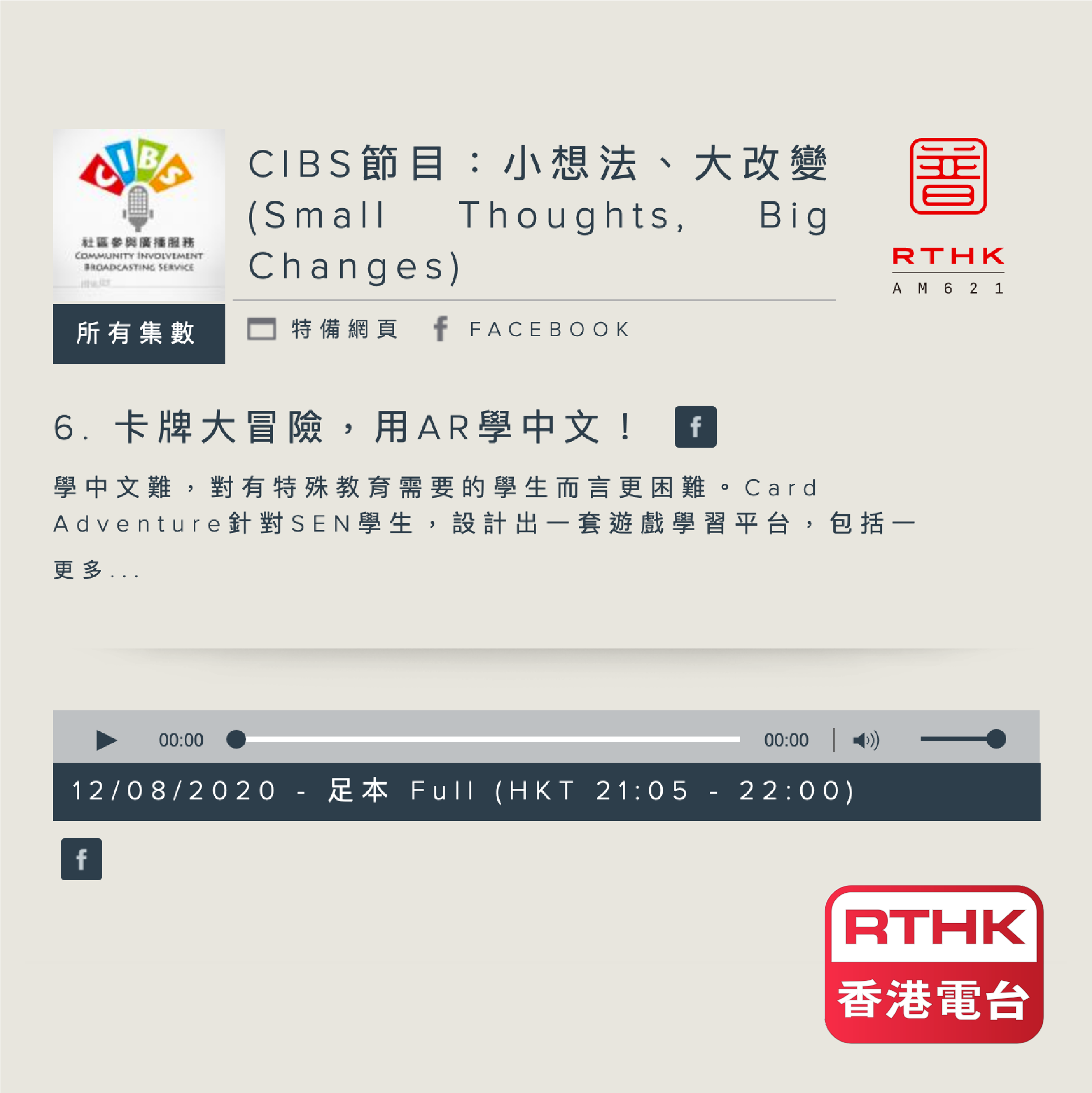
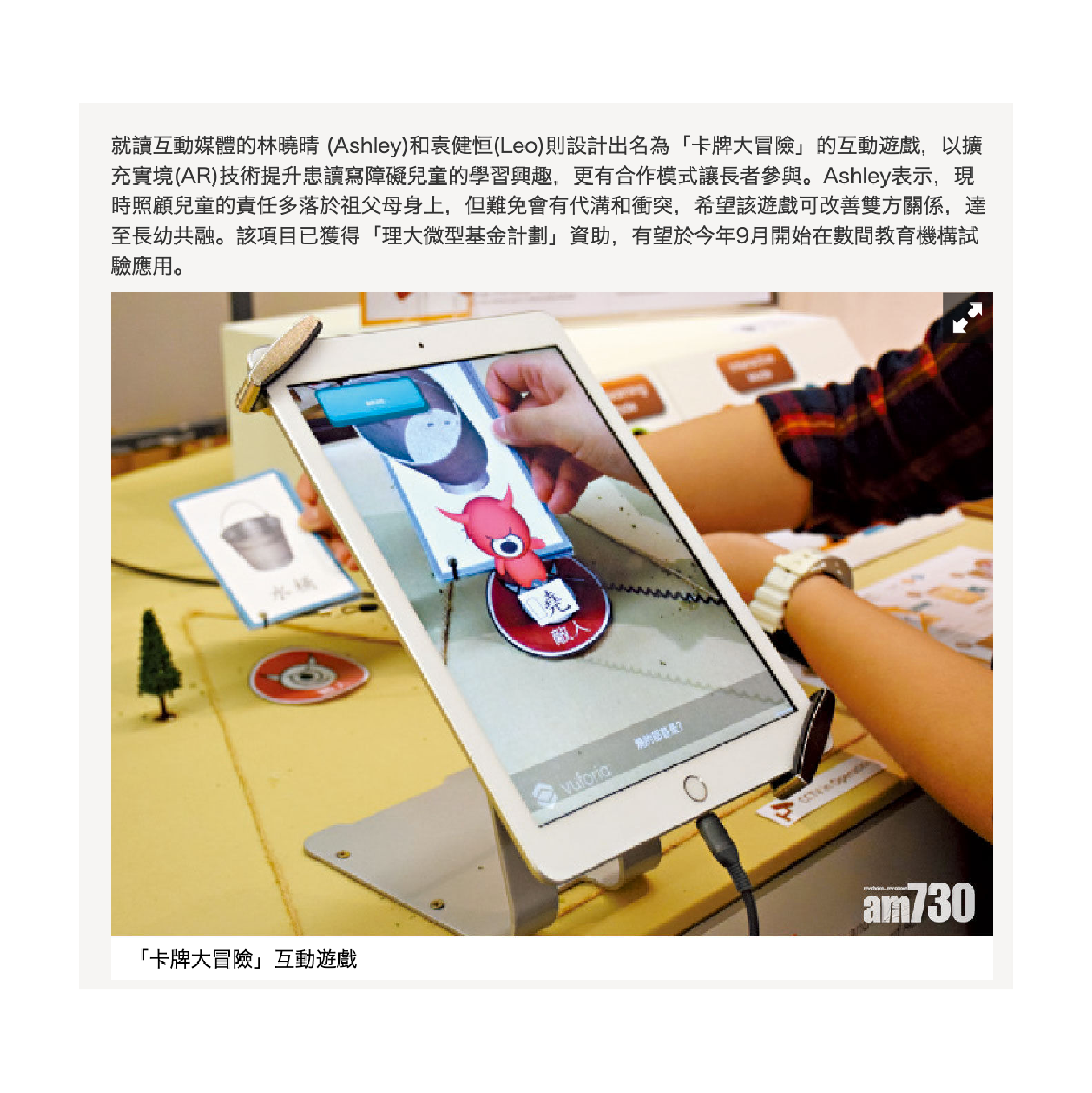
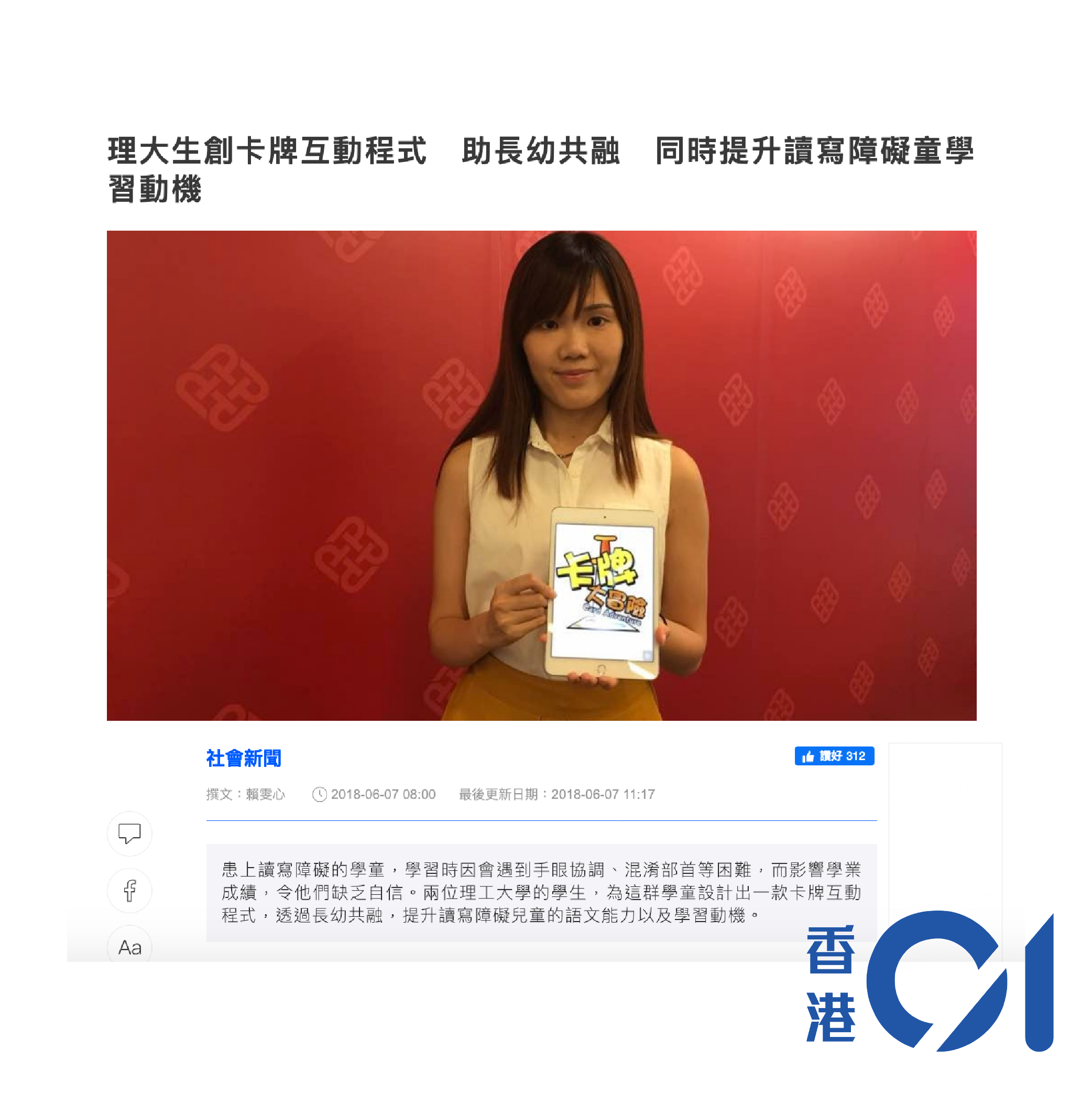
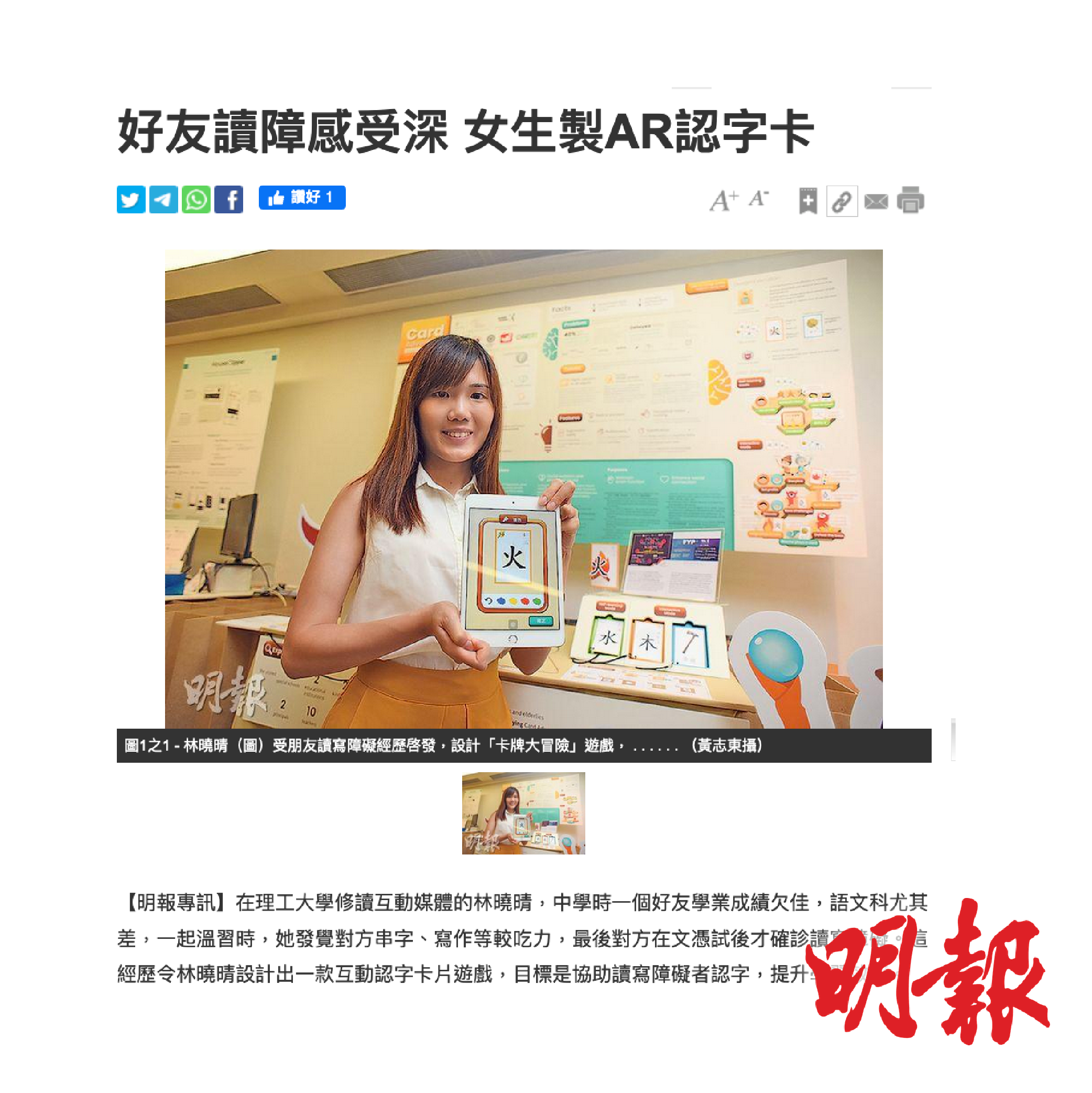
Card Adventure — AR game-learning app for children with dyslexia. Click to enlarge.
Deliverables
Three products. One system. Designed entirely by me.
The product ecosystem covered three connected deliverables: the AR learning app for children, a learning analysis platform giving teachers data visibility, and an offline course series that ran the physical card-based game in SEN centres and schools.
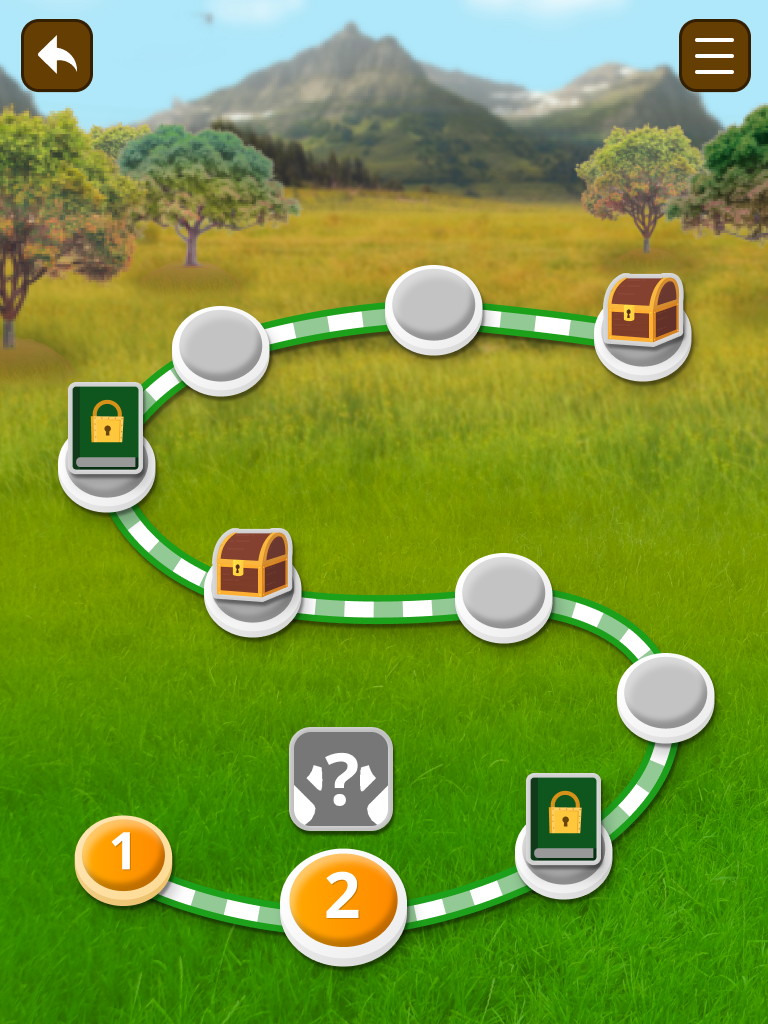
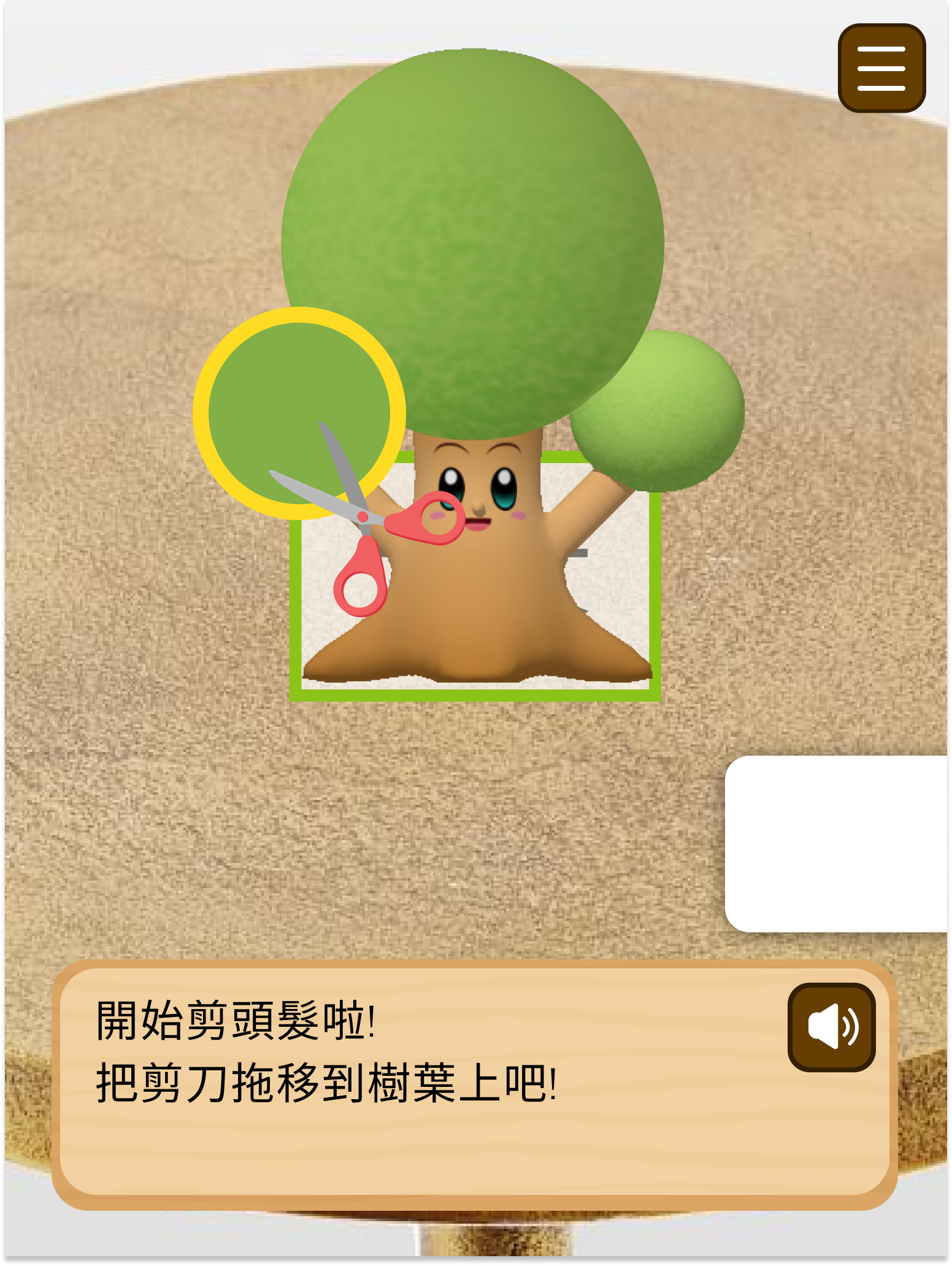
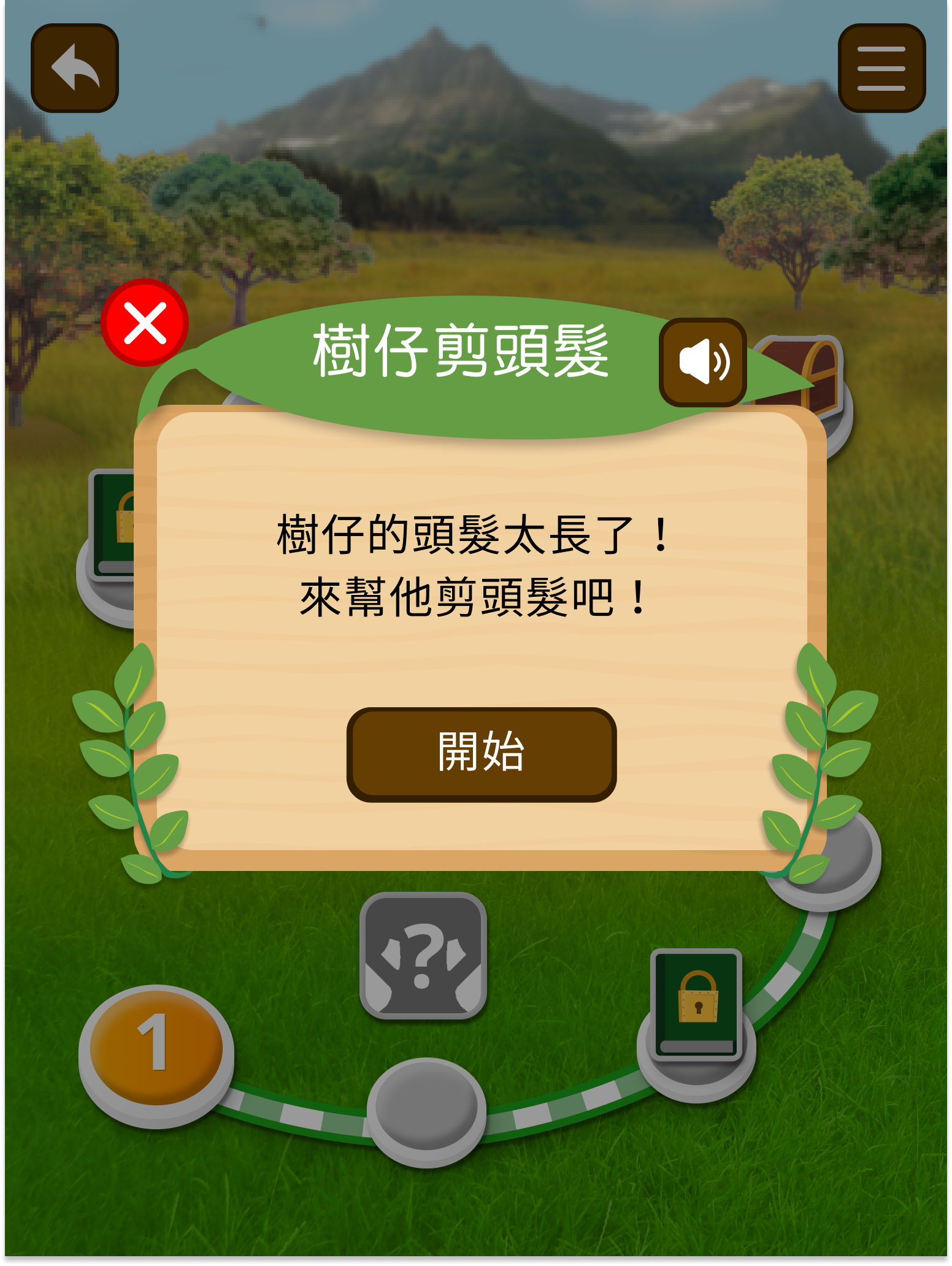

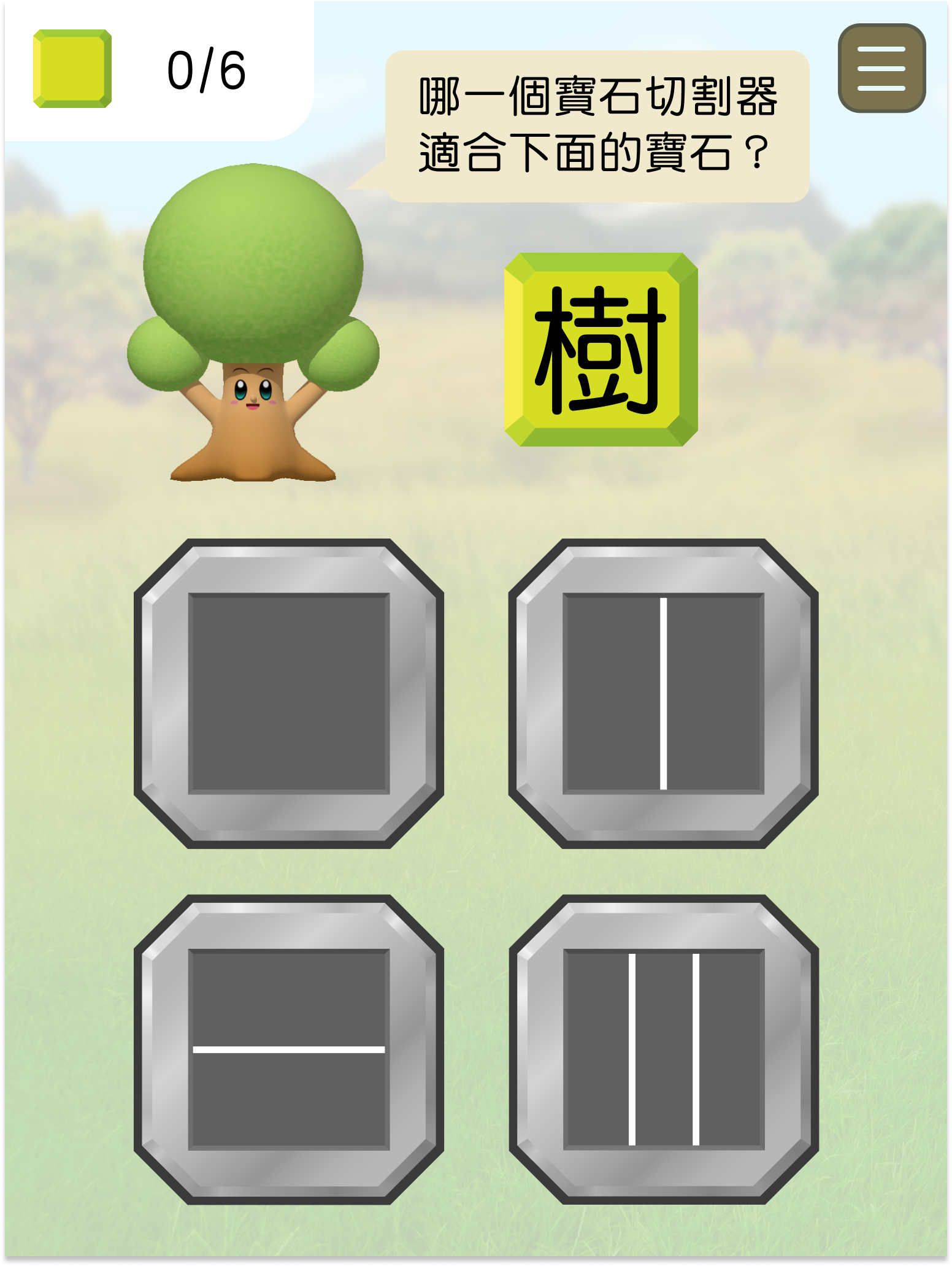
Full product ecosystem — AR app, teacher analysis platform, and offline course series. Click to enlarge.
Process
Start by Design Thinking.
From day one, the project followed the full Design Thinking framework — five phases from raw observation to validated product. No assumption was built into the brief. Every decision was earned.
01 — Empathise
A year embedded in the SEN education community before the first screen.
I didn't start with a product idea — I started by trying to understand what SEN children actually needed. Site visits, shadowing sessions, stakeholder interviews, and early usability tests gave me the foundational insight that every product decision was built on.
Understanding daily reality before proposing any solution.
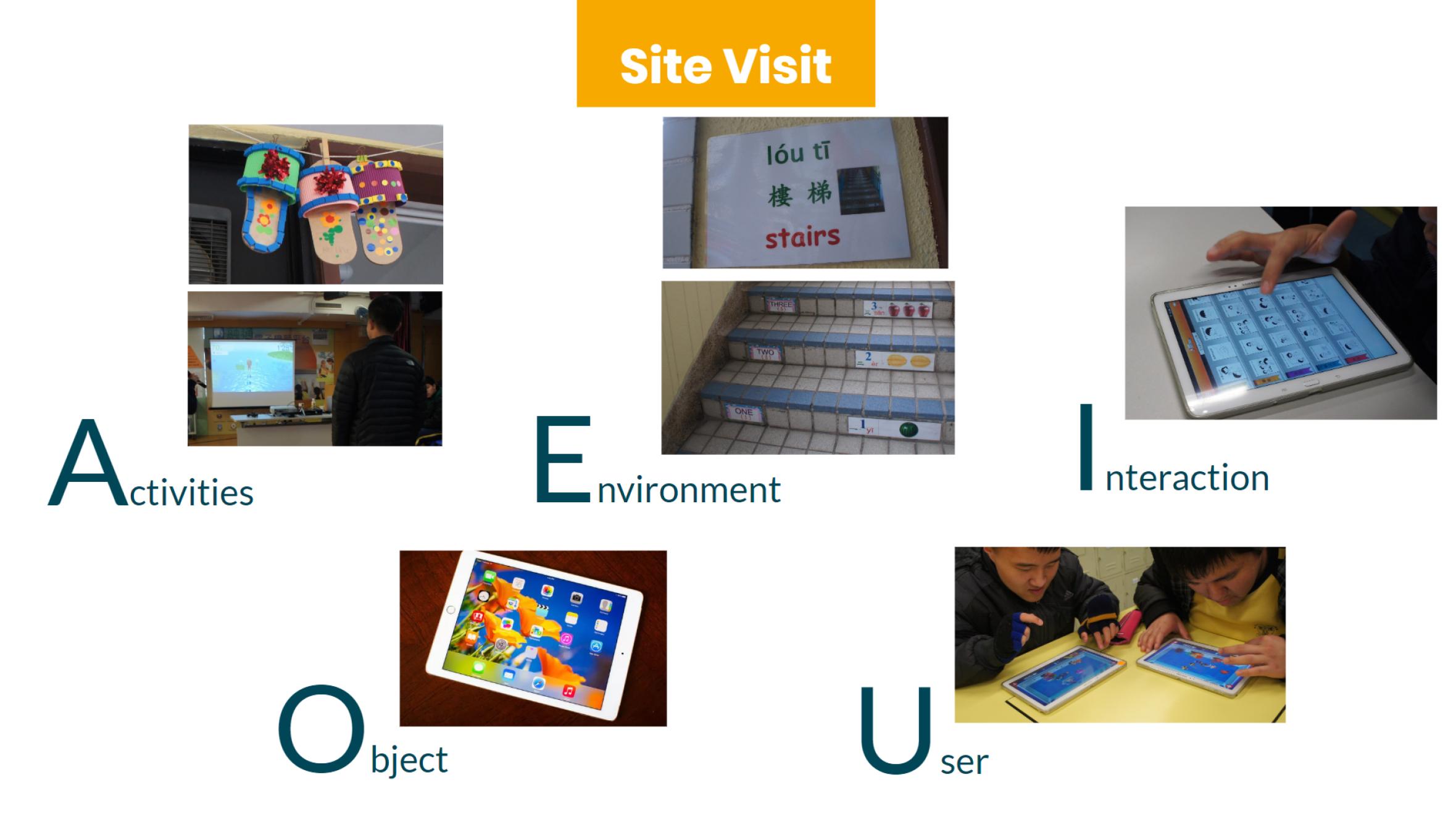
Before starting the project, I visited a special school in Tin Shui Wai. Listening to teachers, I understood the daily routine and specific challenges faced by SEN students — the gap between how schools wanted to teach and what tools were available to do it.
Half a day. One student. The gap became obvious.
I shadowed a Primary 2 SEN student through a school morning. The observation that changed my product direction: digital games were already widely used in SEN settings for practical skills (telling time, daily routines), but no game existed for Chinese language learning. The gap was clear — and unoccupied.
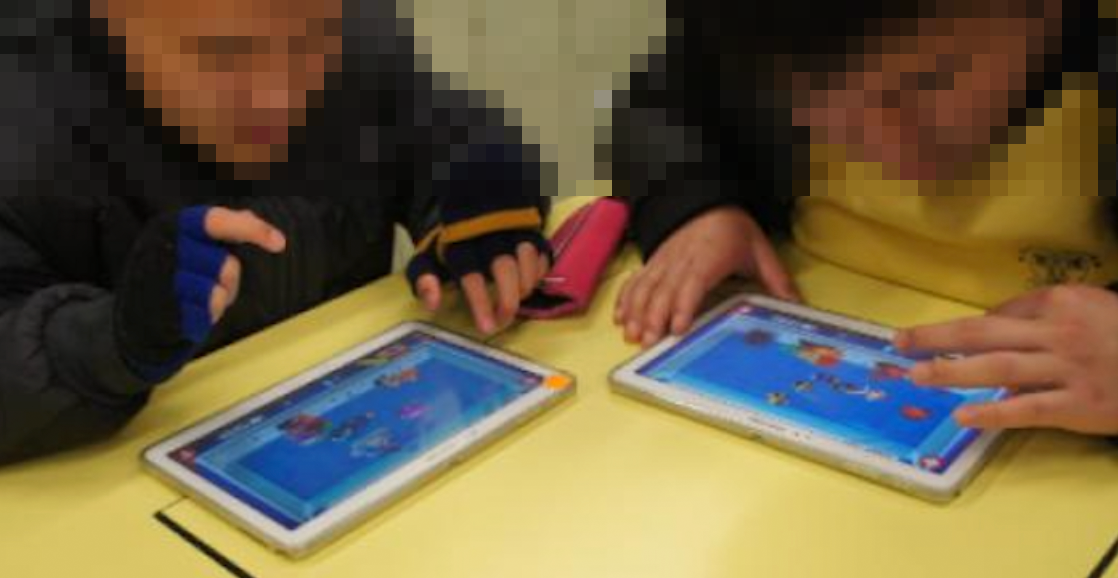
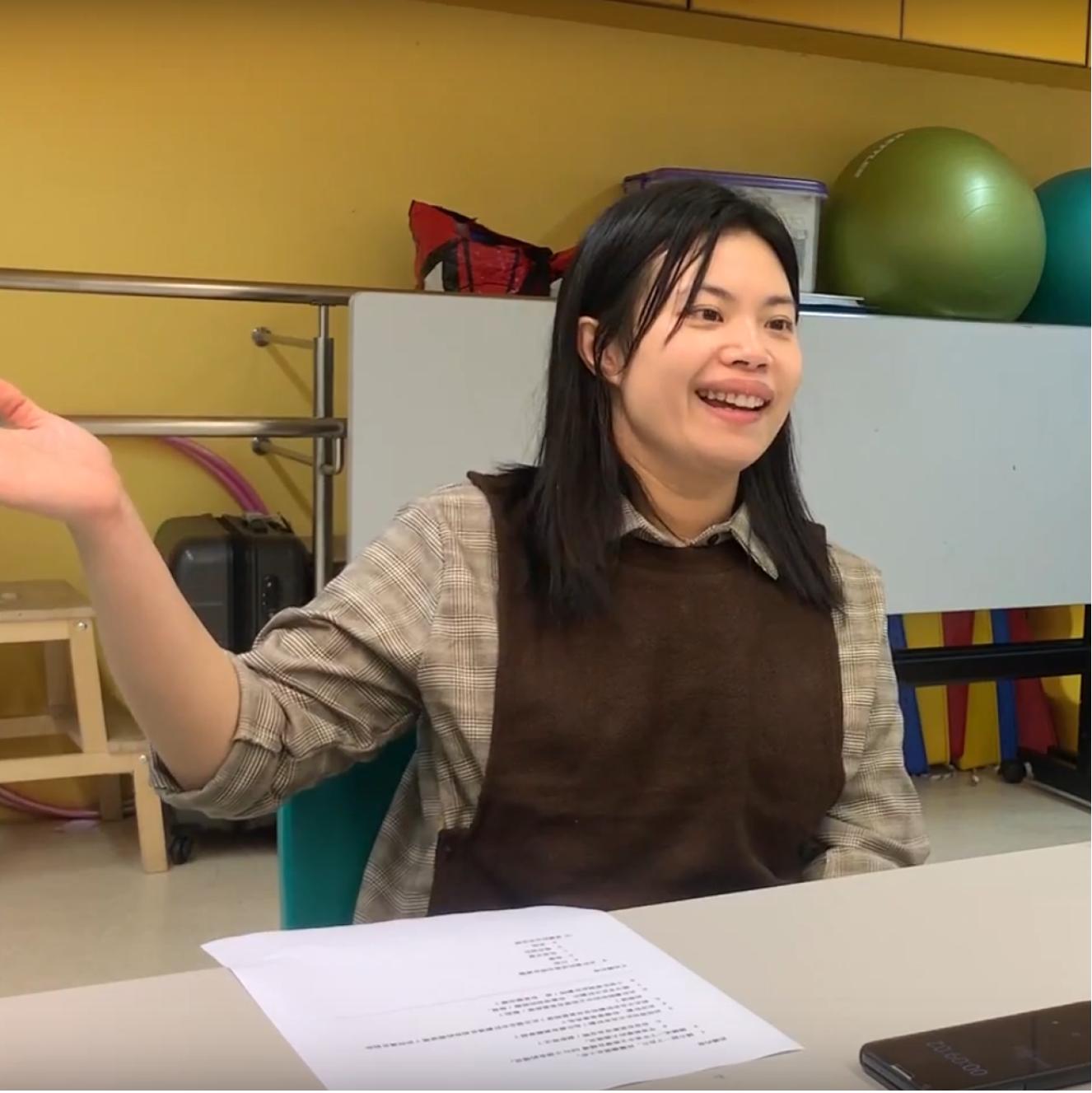
Shadowing — research notes (left) and in-school session with a Primary 2 SEN student (right)
The insight: engage more senses, consolidate learning better.
I interviewed five teachers and social workers — all trained for SEN, with 5+ years experience — and ten parents of SEN children. Consistent recommendation across all interviews: the most effective SEN learning tools engage multiple senses simultaneously. That clinical advice became a core design principle for every feature.
Testing competitors' products alongside our prototype. Honest comparison.
I invited teachers, social workers, and parents to test existing market products alongside the initial Card Adventure prototype. Competitors had better technical stability. Our prototype had better content engagement. That gap defined the next development priority.
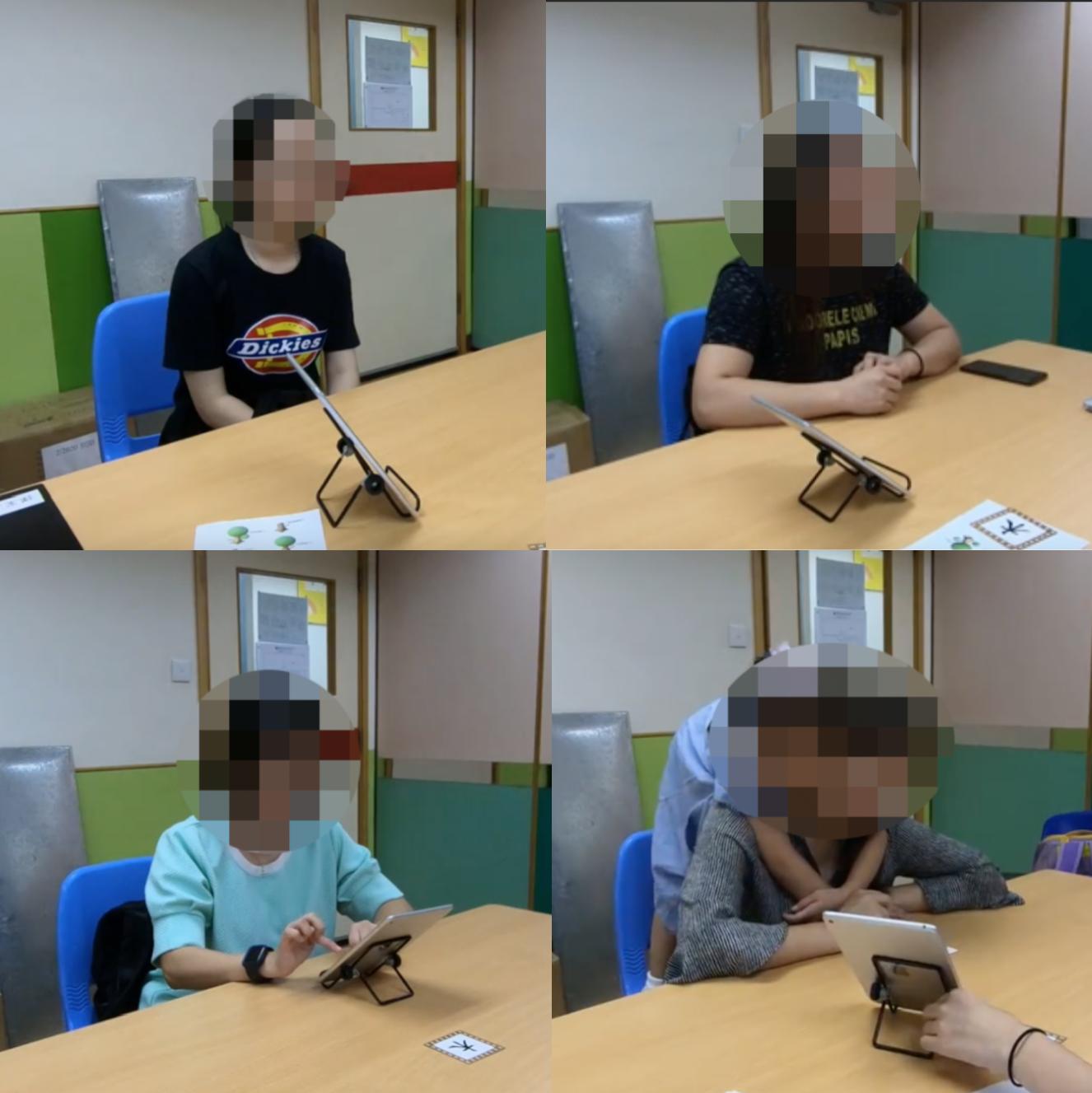
Competitive usability testing — teachers, social workers and parents evaluating market products alongside the prototype
02 — Define
Mapping the full ecosystem: child, parent, teacher. Without proper support, everyone loses.
Dyslexia doesn't just affect the child — it affects the whole family. Without intervention, SEN children face compounding challenges across learning, emotional regulation, and family relationships. The user journey map covered all three parties, ensuring the product addressed the full system rather than one isolated user type.
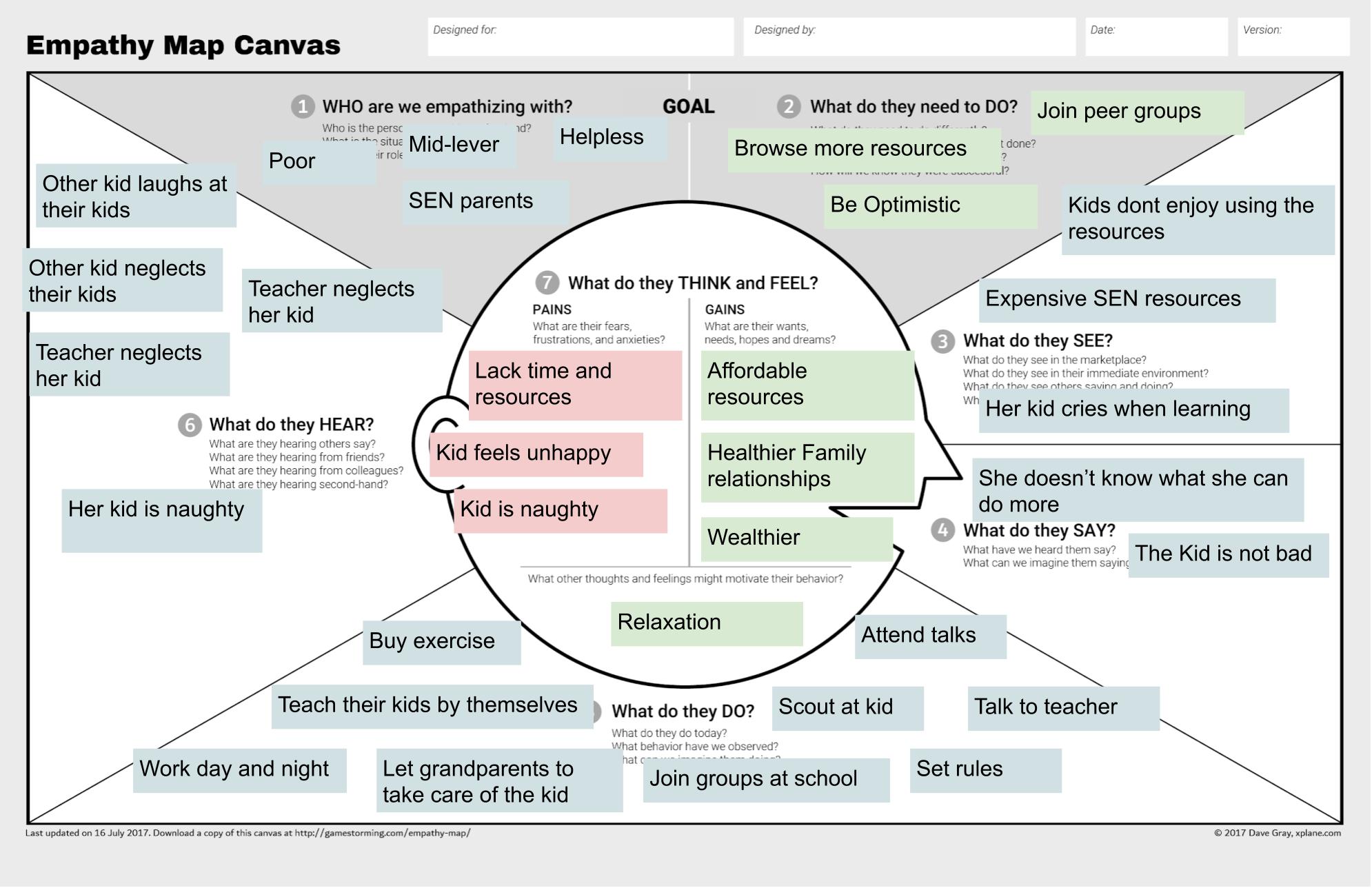
Empathy map — synthesising what SEN parents were seeing, hearing, thinking, and feeling
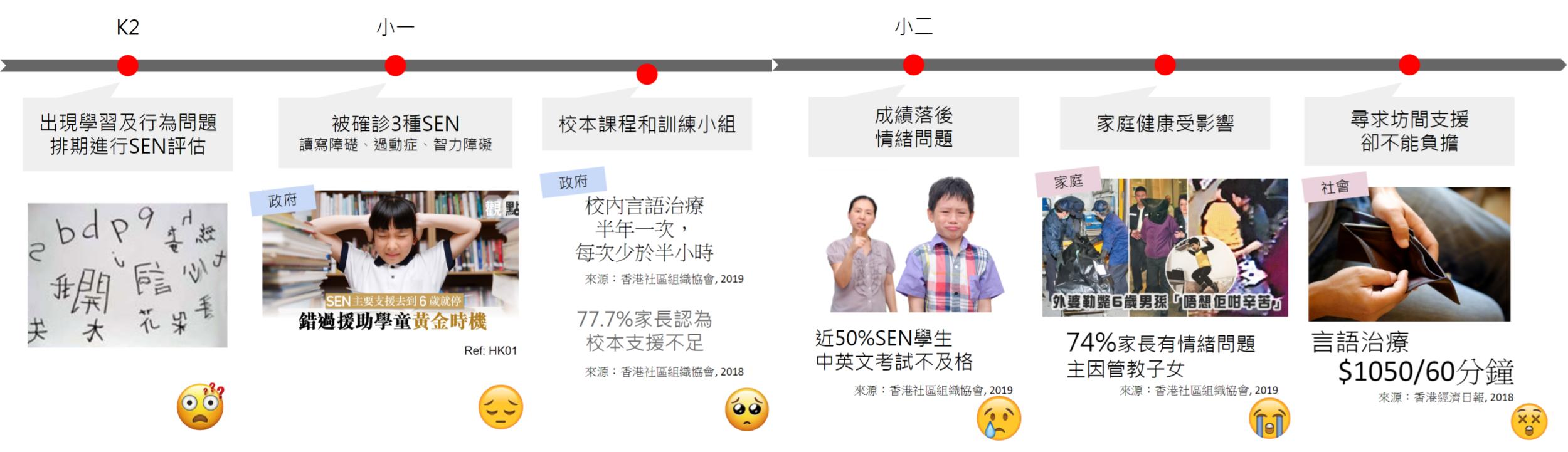
User journey map — child, parent, and teacher journeys mapped together to identify key intervention points
03 — Ideate
Design around the strength, not the deficit. Right-brain approach with clinical proof.
The core design principle came from the clinical literature: children with dyslexia are often weak at left-brain sequential processing (phonics, repetition, linear text) but may have strong right-brain visual-spatial processing. Every product decision was filtered through one question: does this leverage visual-spatial strength?
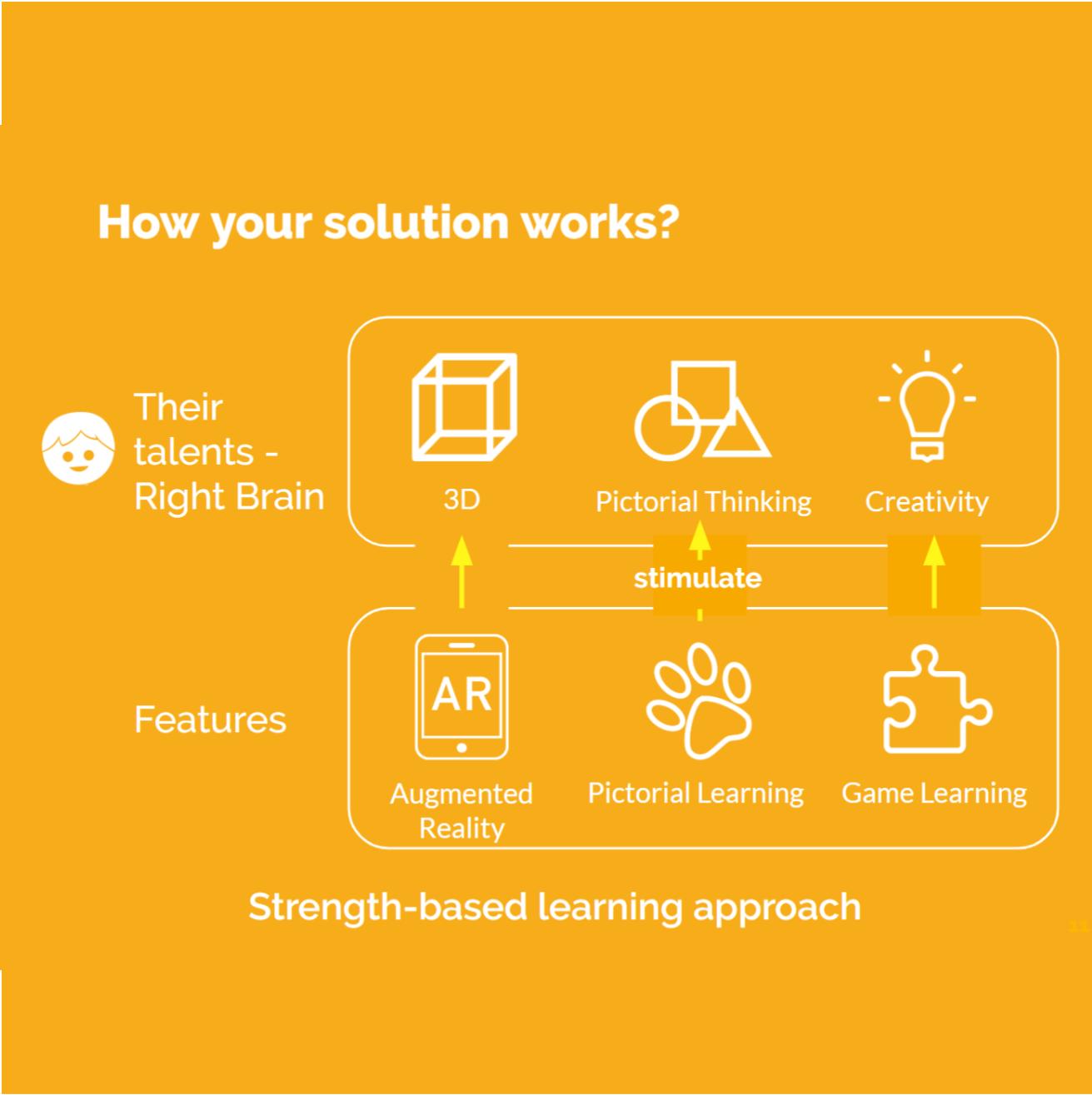
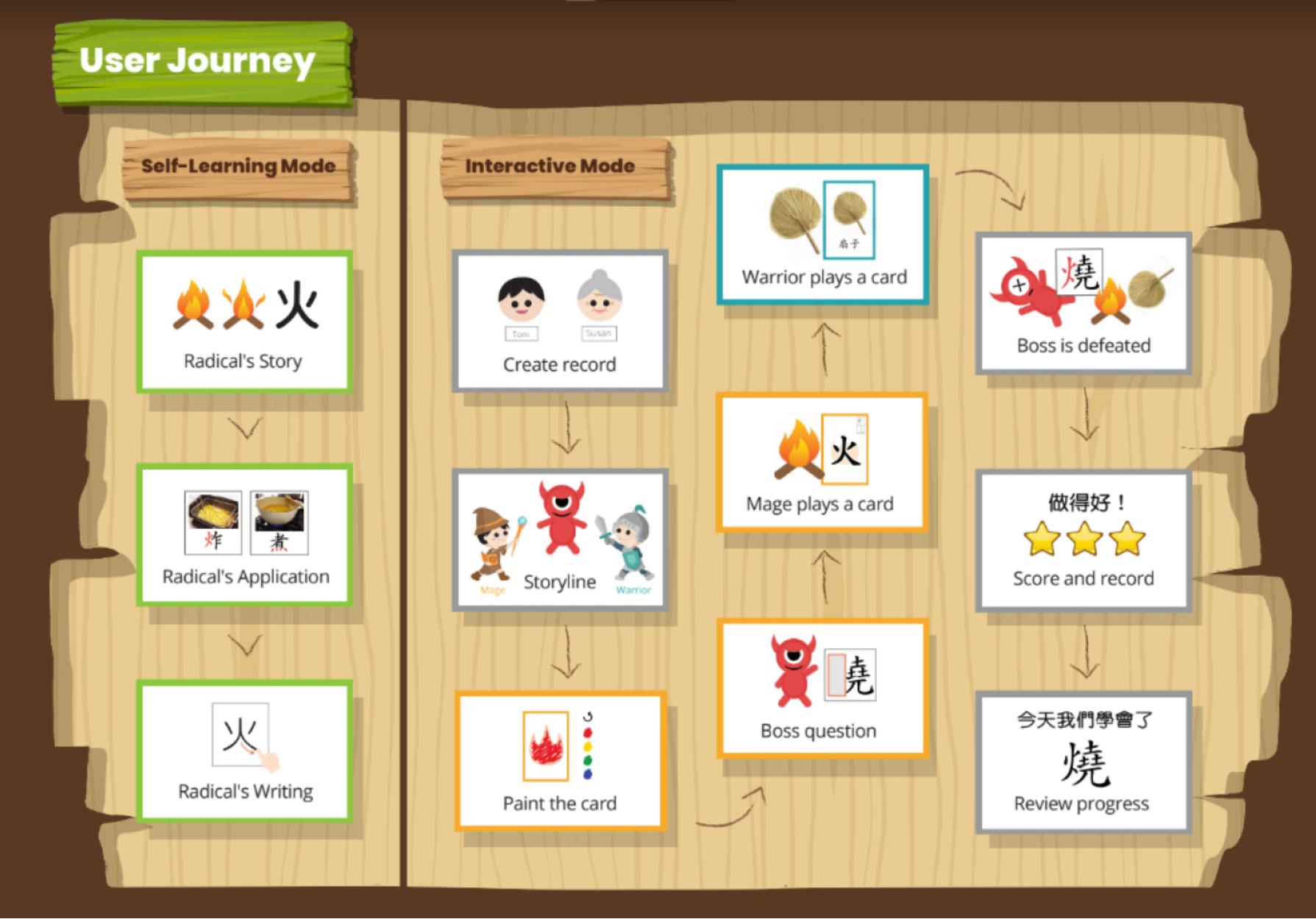
Right-brain design principles (left) and how they translated directly into the Card Adventure app interaction flow (right)
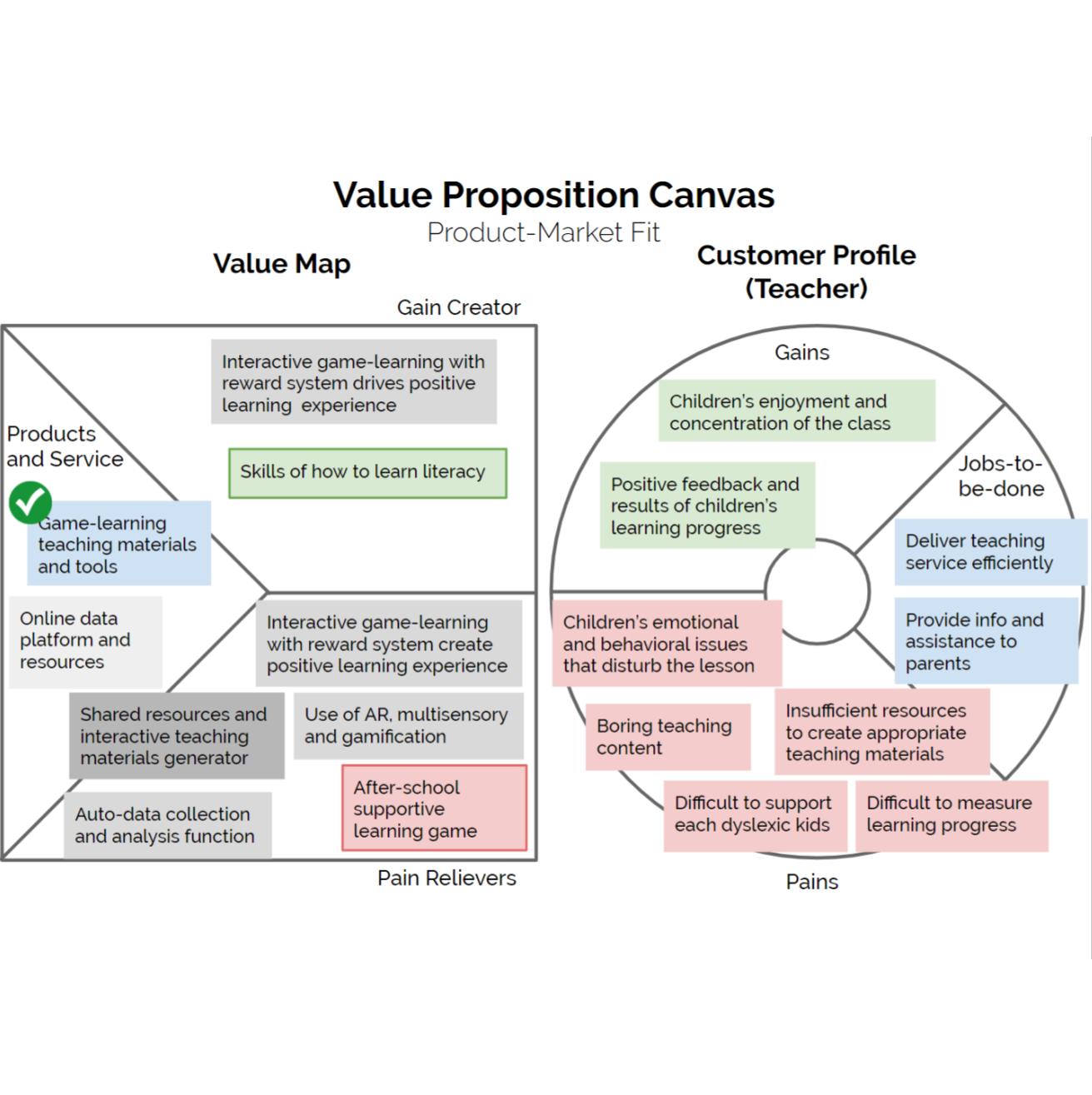
Value Proposition Map — confirming the product fit: game-learning tools designed to teach Chinese literacy through visual-spatial strength
04 — Prototype
Physical prototypes first. Digital second. Validate the mechanic before building the product.
Before committing to digital development, I prototyped two game formats — a radical game structure and a literacy-focused game — to validate the learning mechanics with real children. Physical first, digital second. The product that entered development was already validated at the core interaction level.
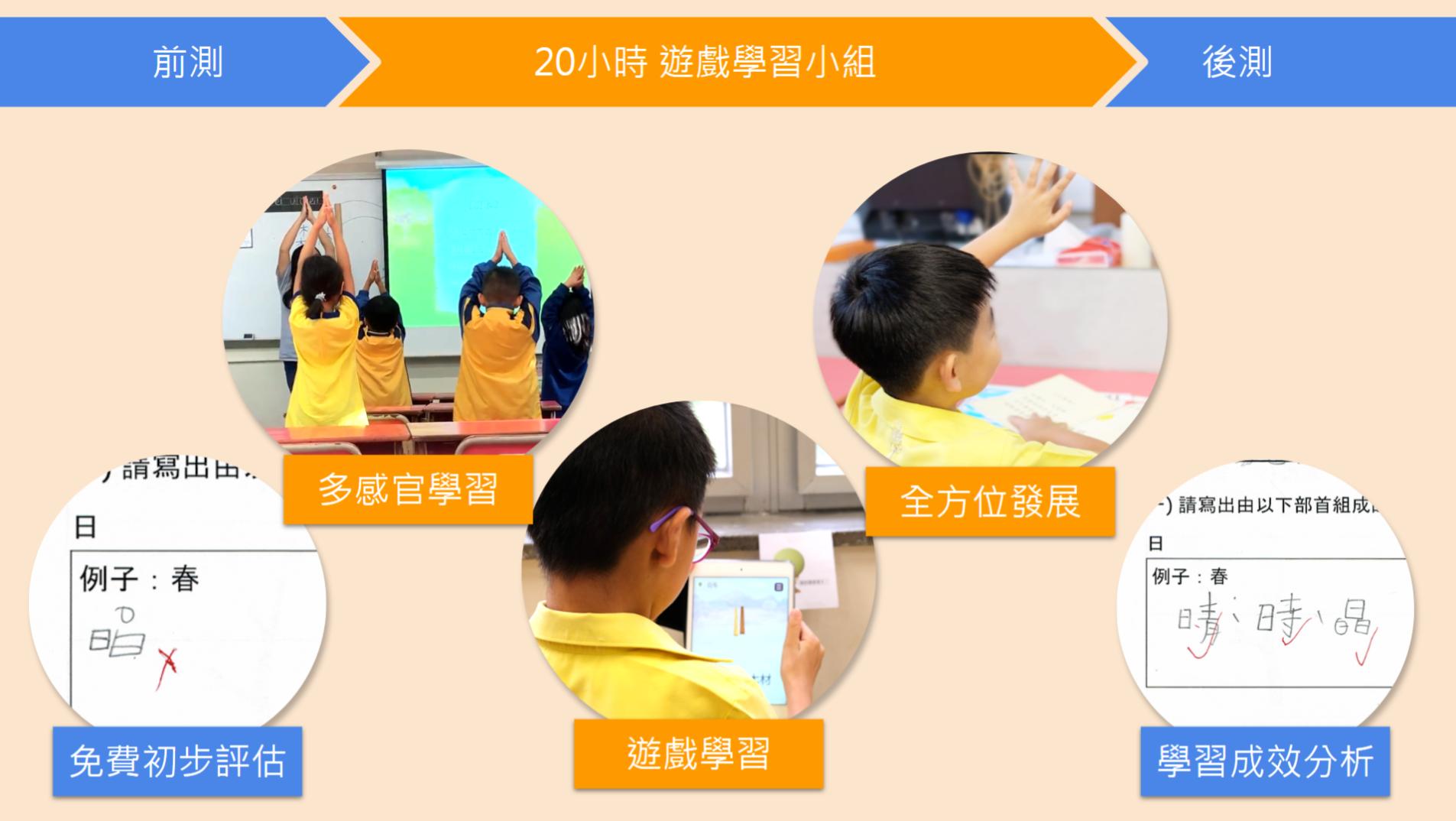
Physical prototype — radical game (left) and literacy game (right), validated before any digital development commitment
AR characters anchored to physical Chinese character cards.
Scan a physical card and an AR character appears in real space, tied to the Chinese character on that card. The interaction is immediate, tactile, and spatially memorable — making abstract symbol recognition concrete and physical for children whose strongest processing is visual-spatial.
Pattern-based recognition. No phonics required.
Every UI decision was grounded in the right-brain framework: high visual contrast, pattern-based character recall, immediate feedback. The game loop was designed so children could make progress entirely through visual-spatial pattern recognition — no phonics cues, no sequential memorisation.
Immediate feedback loops. Every action gets a response.
Children with dyslexia benefit from fast, unambiguous feedback — not delayed scoring. Every tap, scan, and answer produced an immediate visual and audio response, reinforcing the correct association before the next interaction began.
Designed for one hand. Tablet-native interaction.
Physical dexterity varies significantly across the 5–8 age range. The entire interaction model was designed for single-handed tablet use — scan the card with one hand, interact with the other. No two-handed gestures, no small tap targets.
05 — Test
50 UAT sessions. SEN centre. SEN school. Three full course trials. No assumption survived.
I ran the product through three progressive rounds of validation — first in a controlled SEN centre, then in a live school setting, then through full paying cohorts. Each round changed something fundamental. The product that shipped was genuinely different from the one that entered testing.
First contact with the product's actual users.
Initial testing validated the core mechanic and revealed the first generation of usability issues — interaction patterns that worked in theory but not with the children's actual physical dexterity and attention spans. Rapid iteration followed each session.
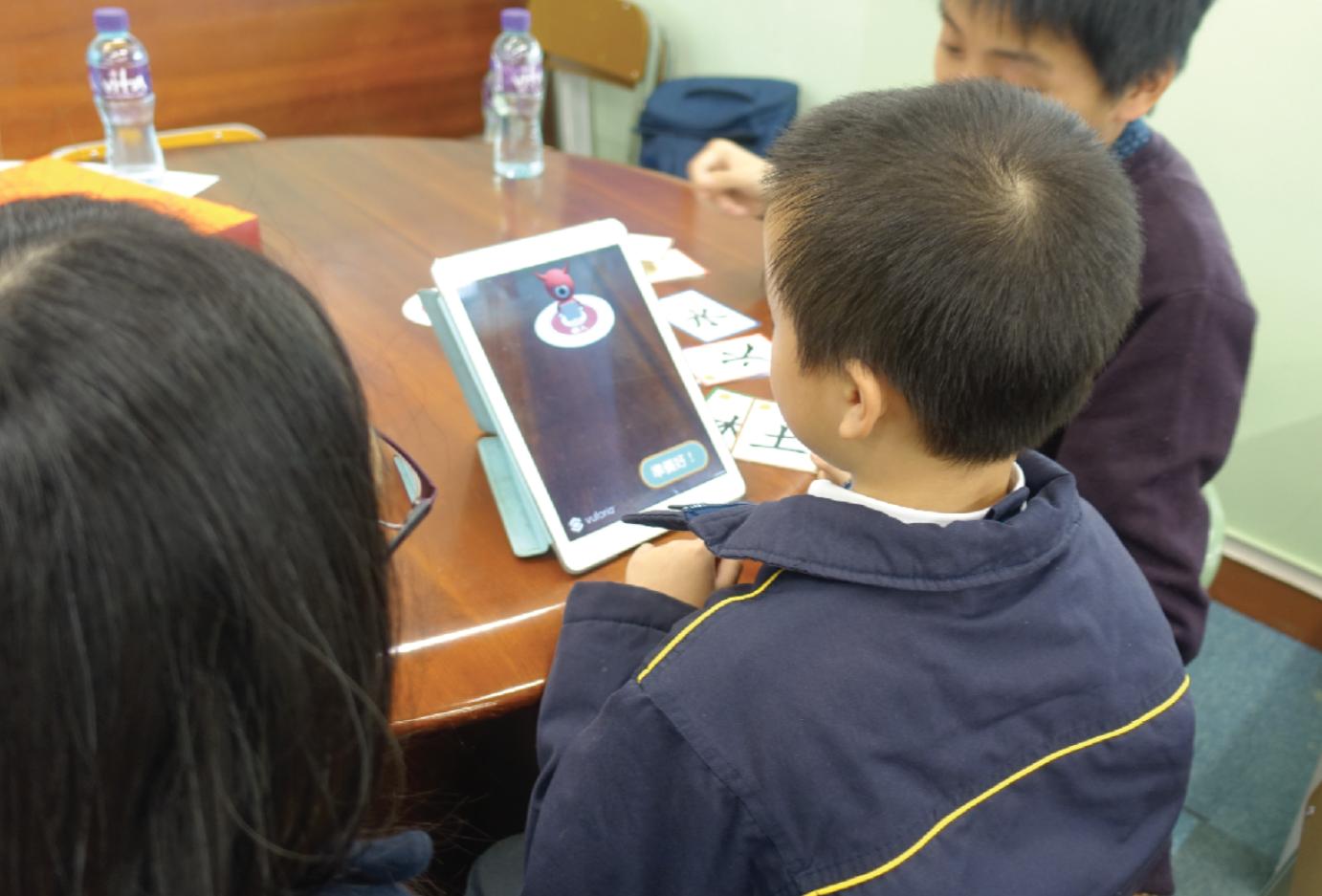
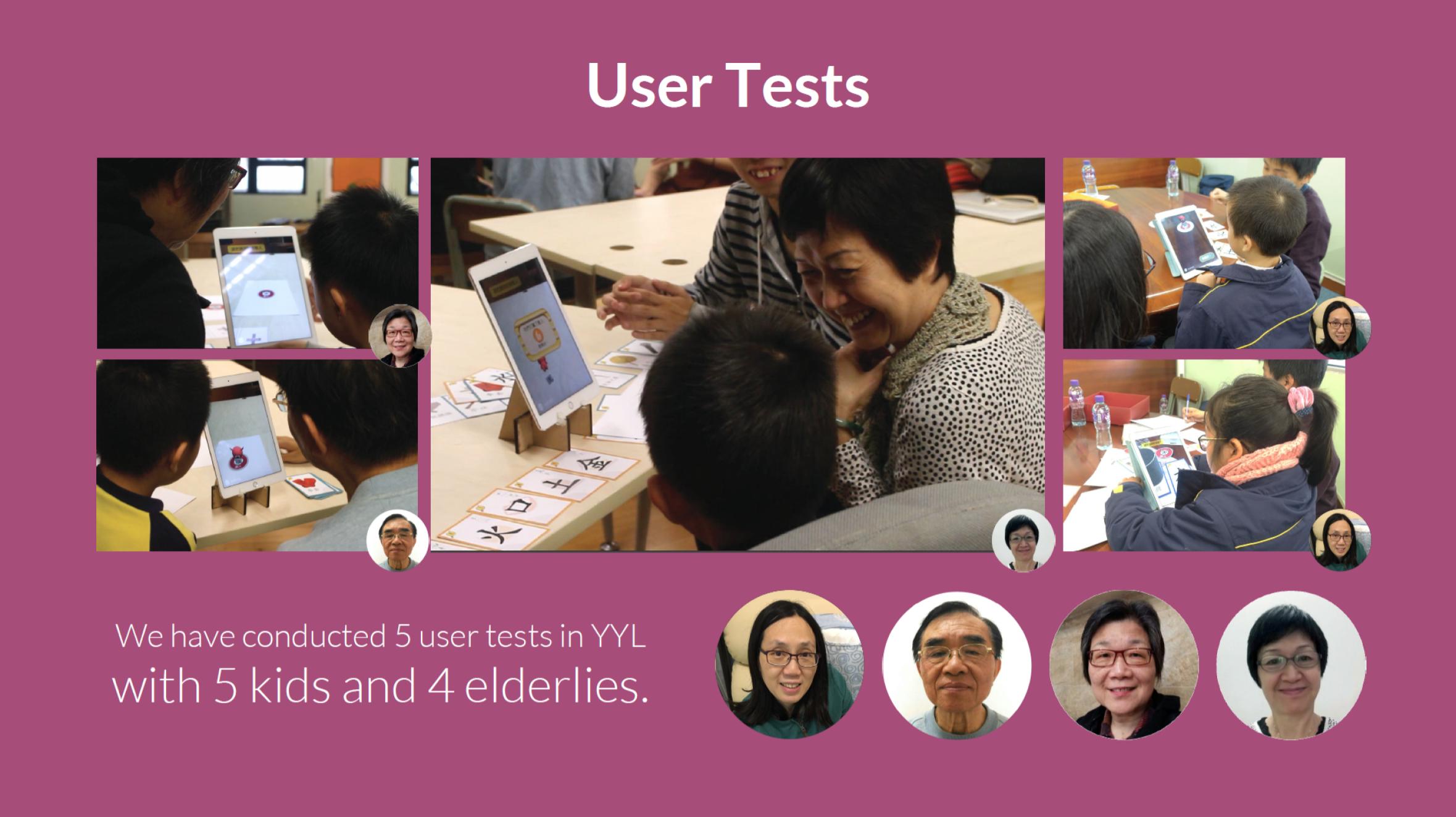
Round 1 — SEN centre. First real-world UAT with children with dyslexia. Click to enlarge.
In-school testing: real deployment context, not a controlled setting.
Moving into a SEN school introduced classroom noise, multiple simultaneous users, and teacher-facilitated sessions. Testing here validated whether the product worked in its actual operating environment — and surfaced constraints that would only emerge at that scale.
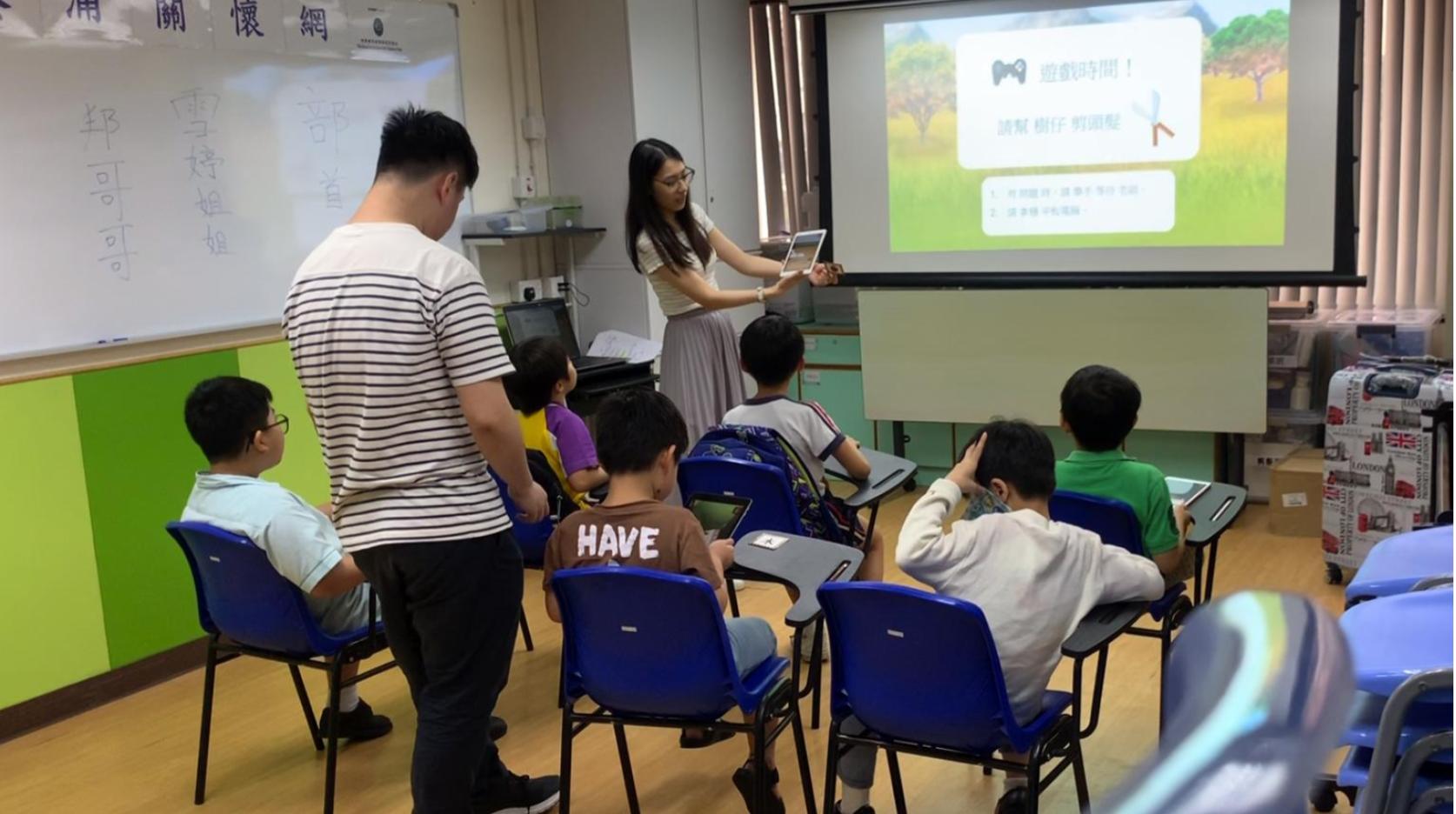
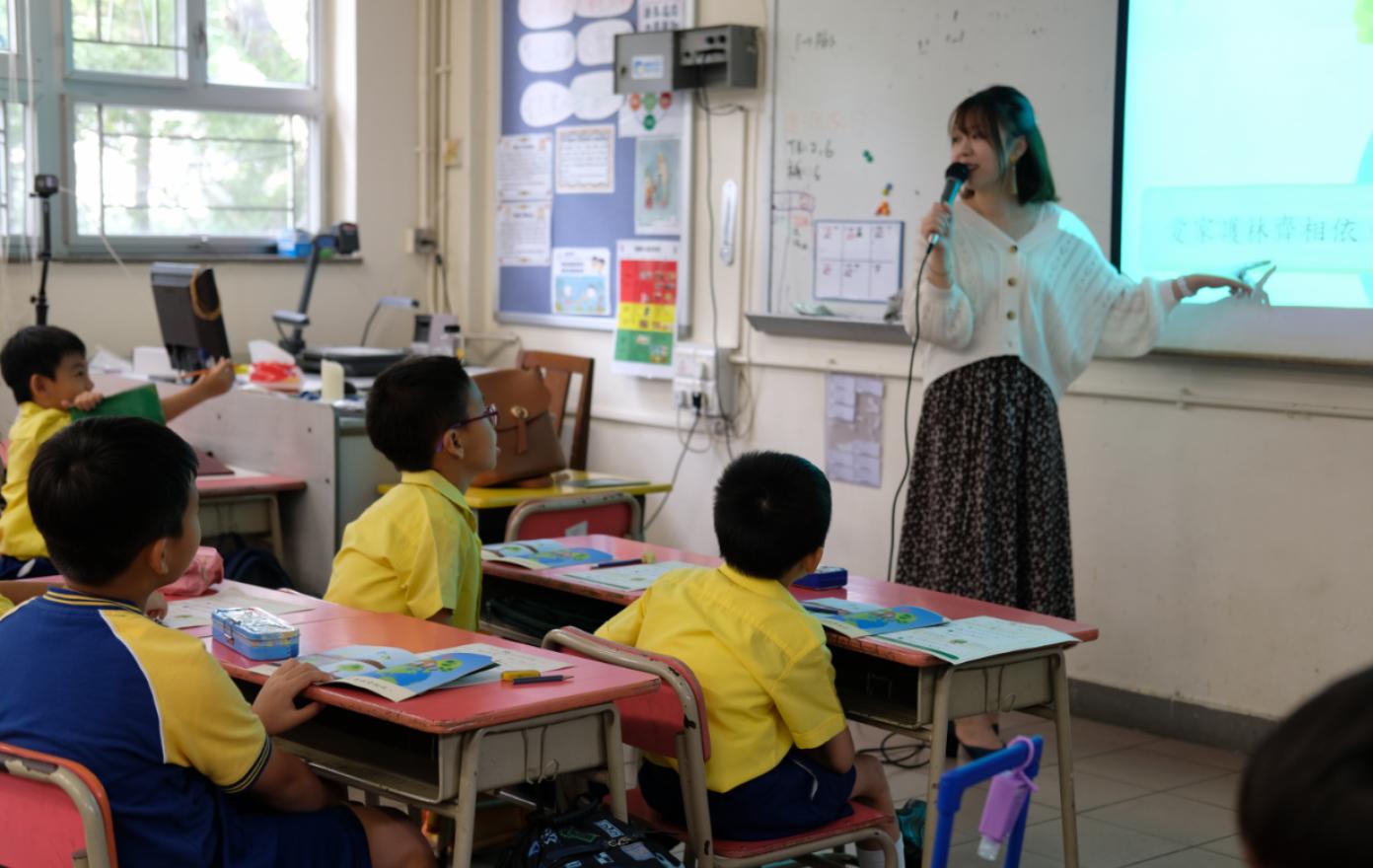
Round 2 — SEN school (8 sessions). In-classroom, teacher-facilitated. Click to enlarge.
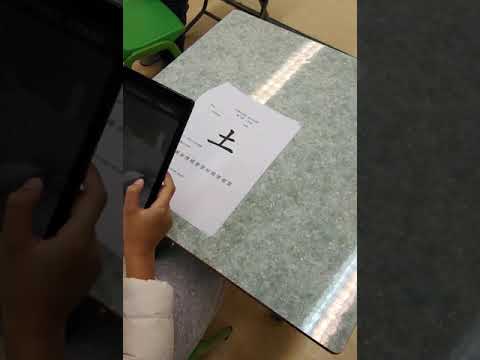
Paying cohorts. Full course arc. Real learning outcomes measured.
Three complete course trials with paying families — covering the full curriculum arc, not individual sessions. This was the final validation gate: did the product deliver measurable learning improvement across a sustained engagement? Social worker testimonials and a formal letter of appreciation from the school partner confirmed clinical-level impact.
Impact
HK$500K raised. 6 awards. Dubai exhibition. Children who hated Chinese now seek it out.
"小藍原本很討厭中文,上完一堂後,他竟會主動四周找出特定文字!"
陳姑娘 (Social Worker) — after the first session with a student who previously refused to engage with ChineseOutcomes
- HK$500,000 raised through pitch competitions and government grants — no institutional backing
- 6 international design awards — external validation of product quality and market need
- Dubai international exhibition — selected for global SEN education showcase, international market exposure
- 4 media features — Ming Pao, HK01, am730 — organic press coverage without paid PR
- 15 collaborators across design, education, and technology co-ordinated entirely by me
- 3 course trial cohorts completed, with measured learning improvement and clinical partner endorsement
- Letter of formal appreciation from SEN school partner — impact acknowledged at clinical level

Letter of appreciation from SEN school and clinical partner recognition. Click to enlarge.
Press
Ming Pao, HK01, am730, RTHK AM621.
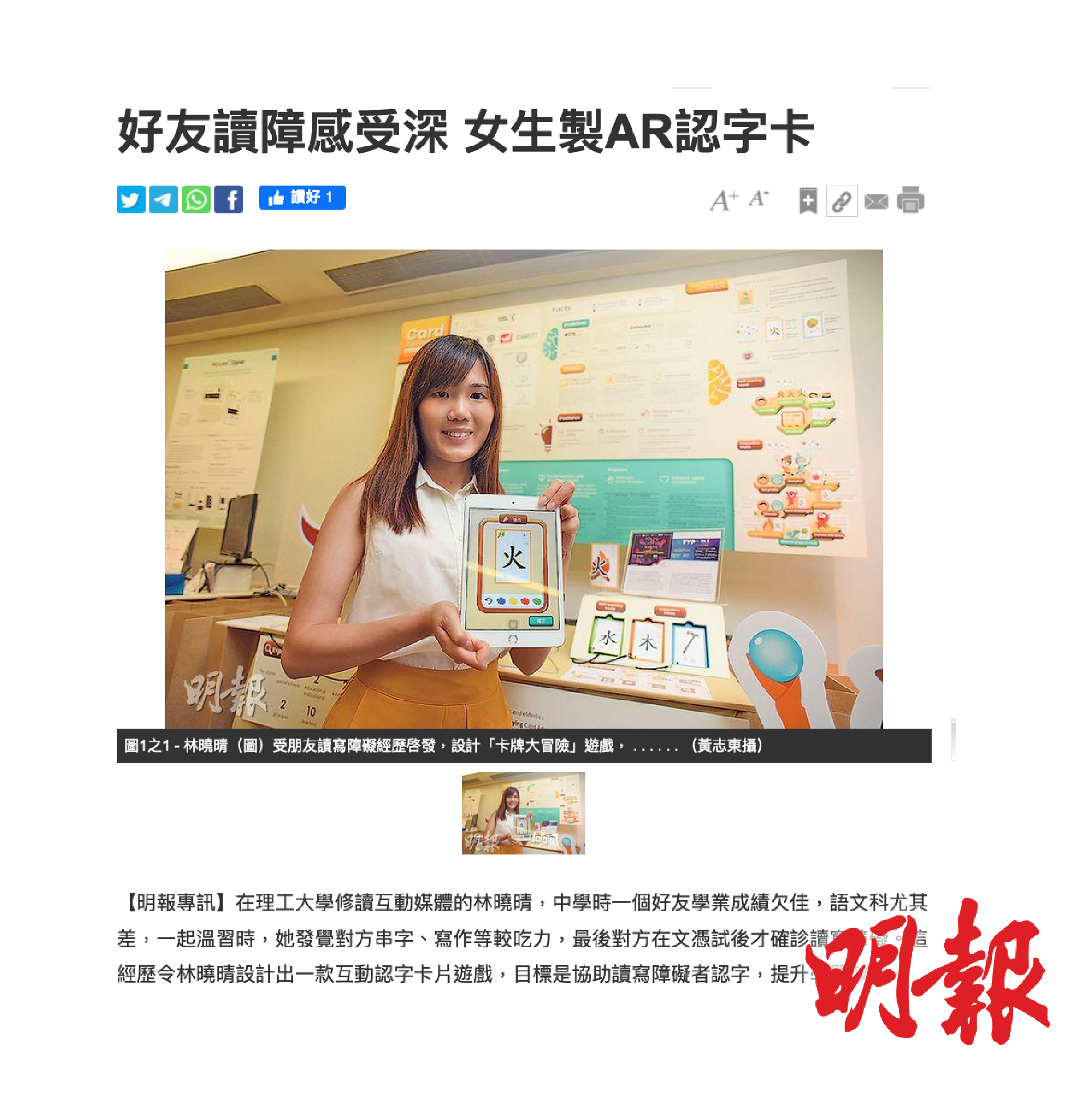
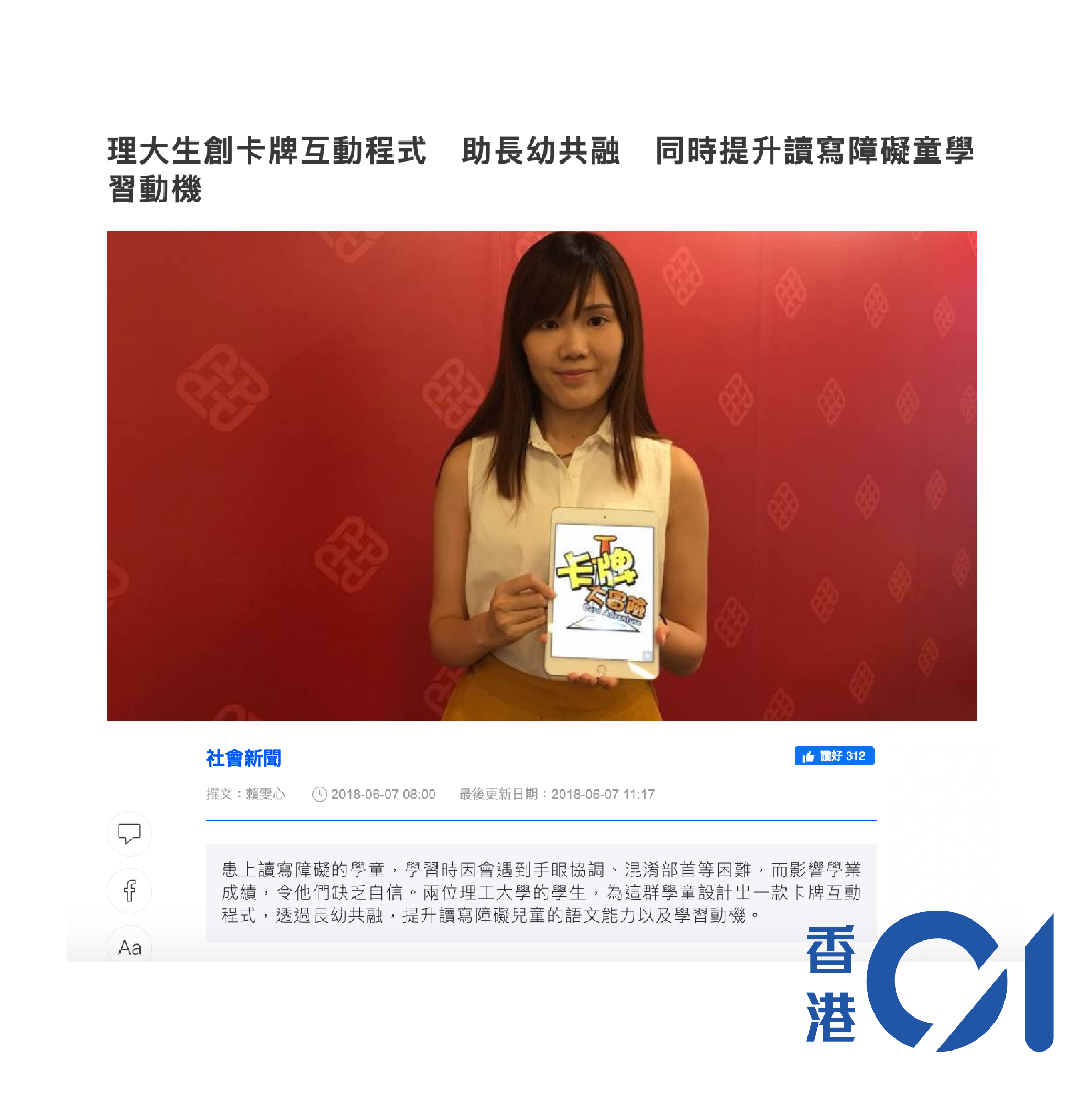
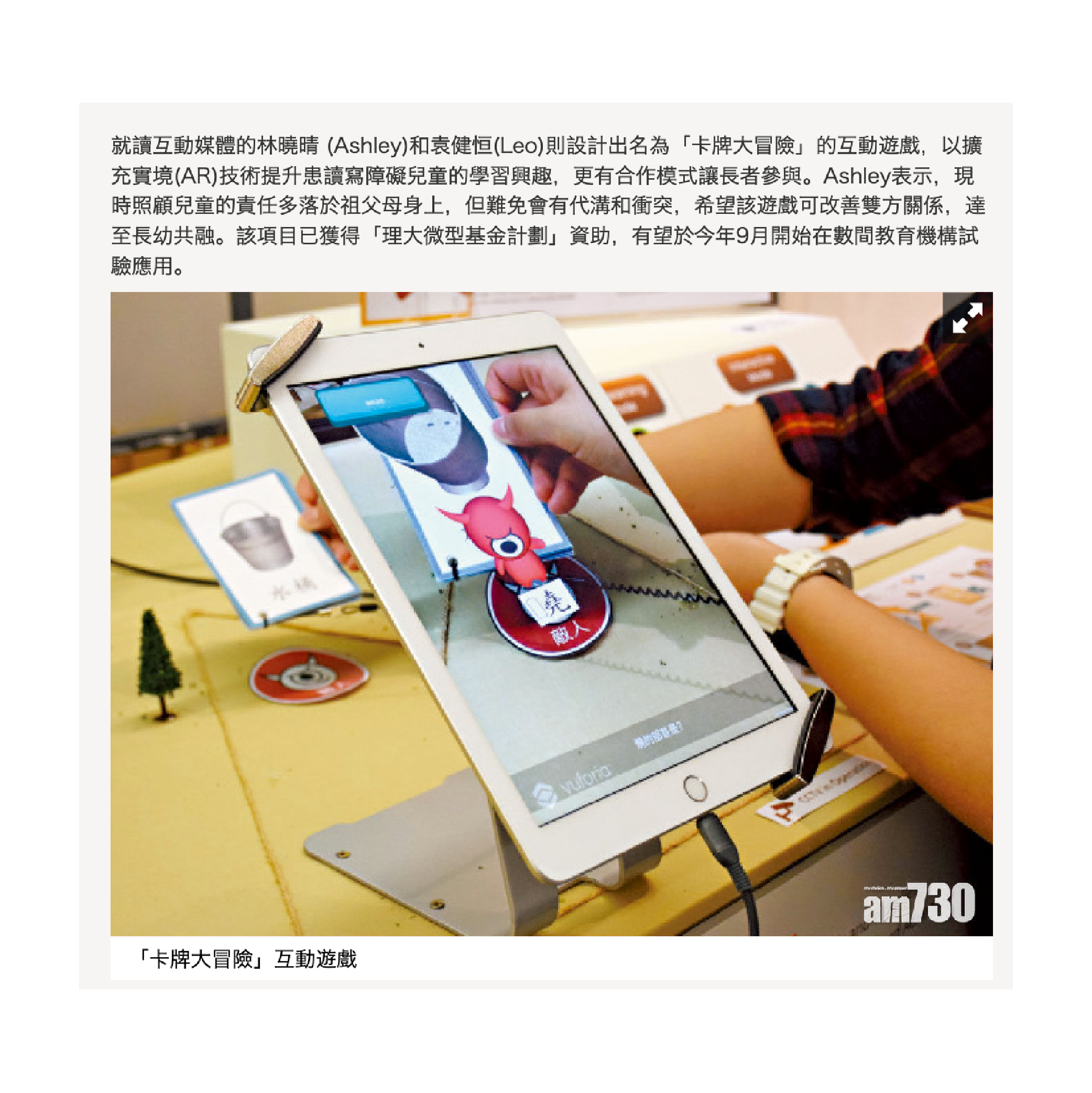
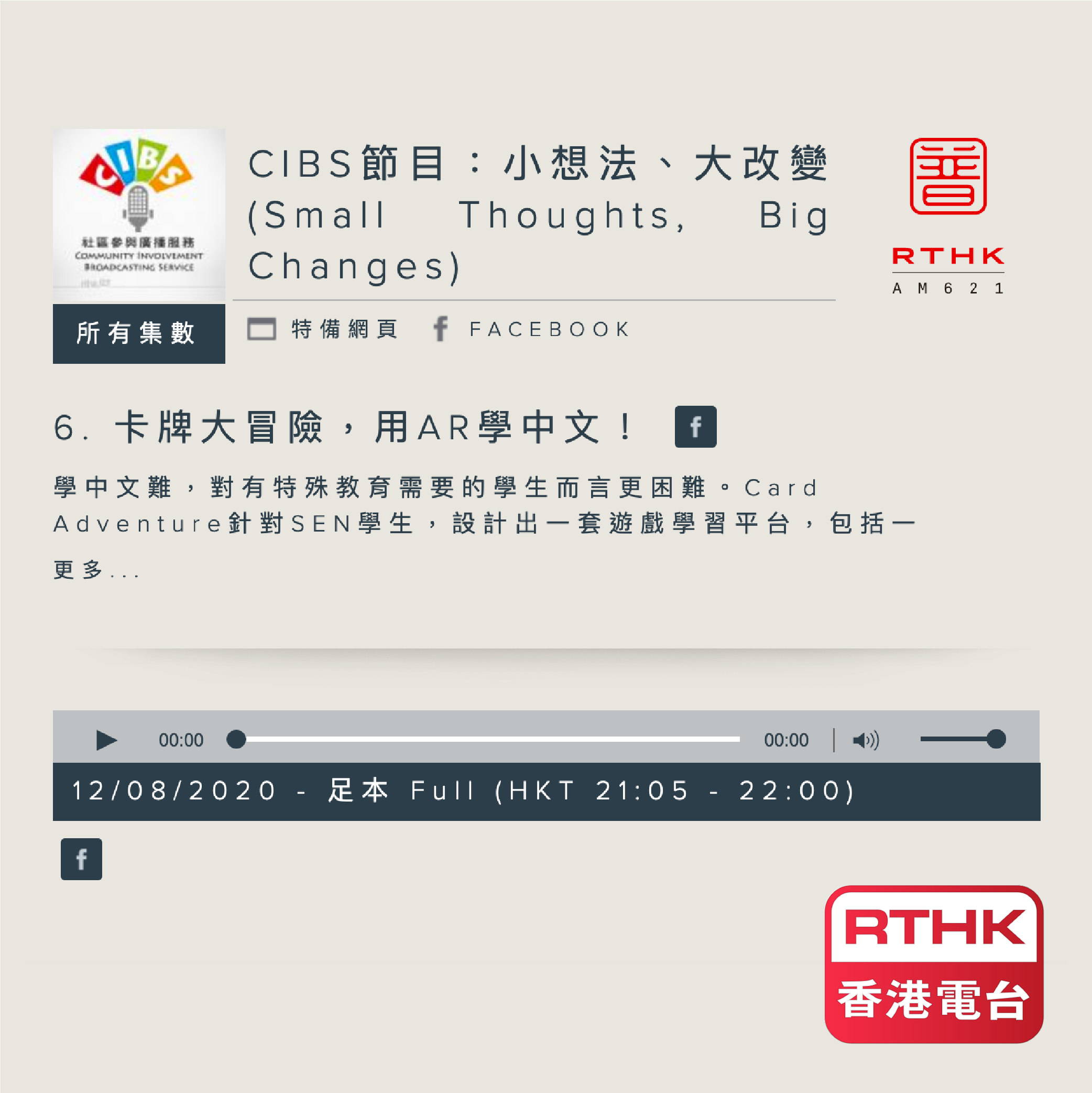
Organic press coverage — no paid PR. Click to enlarge.